Sunday, 25 March 2012

Health Benefits of Vitamin D

Vitamin D is a fat-soluble vitamin obtained from sun exposure, food and supplement. It is biologically inert and has to undergo two hydroxylation reactions to become active in the body. 

The active form of vitamin D is called calcitriol and this promotes the absorption of calcium and phosphorus from food in the gut and reabsorption of calcium in the kidneys – this increase flow of calcium in the bloodstream.

Overall Benefits of Vitamin D include:

  1. Crucial absorption and metabolism of calcium and phosphorous especially for maintenance of healthy bones
  2. It is an immune system regulator and important way to arm the immune systems against common colds – University of Colorado, Denver School of Medicine, Massachusetts General Hospital and Children Hospital Boston
  3. It may reduce the risk of developing multiple sclerosis – Department of Neurology and director of the Multiple Sclerosis and Neuroimmunology Center at Oregon Health and Science University
  4. Key to helping brain work well later in life  - Study of 3000 European Men between ages of 40 and 79
  5. Linked to maintaining a healthy body weight – Medical College Georgia
  6. Reduces the severity and frequency of asthma symptoms – Harvard Medical School
  7. Shown to reduce the risk of rheumatoid arthritis in women
  8. Vitamin D could be one of our body’s main protections against damage from low level radiation – New York City Department of Health and Mental Hygiene
  9. Various studies shown people with adequate levels of D have significantly lower risk of developing cancer. D Deficiency is found prevalent in cancer patients regardless of nutritional status – Cancer Treatment Center of America. Visit Naturalnews.com for more on cancer prevention.

Food Sources

Concentrated food sources of vitamin D include salmon, sardines, cow’s and goat’s milk, shitake mushrooms and eggs.

Sun exposure

On average we require ten to fifteen minutes of sun exposure at least twice a week (mid day) on face, arms, hands or back without sunscreen greater than 3 UV Index for adequate amounts of D3. 


All of us in the tropics have no excuse to standing to stand in the sun a couple of minutes a day! Remember to my surprise, it's midday sun that has more ultra violet B radiation which produces Vitamin D. Remember the body self-regulates so will only take what it needs. The darker your skin the longer you need to stay in the sun,
Test on Vitamin D

There is also a test called 25-hydroxyvitamin D to determine if you have adequate levels of Vitamin D (excess or deficient). I have never heard of anyone taking this test here but I will consult my local physician to get his feedback on this.

Dosage

The Institute of Medicine, a group that uses scientific research to formulate public health policies, currently recommends an Adequate Intake, or AI, rather than a specific daily amount of vitamin D. The AI for vitamin D is 200 International Units for adults under age 50, 400 IU for those 51 to 70, and 600 IU for those age 71 and above

Consumption

Since Vitamin D is a fat soluble vitamin, it is very difficult to absorb.


Vitamin D is best taken with a large fatty meal, as long as you are eating food that contains some sort of animal or vegetable fat. If you are eating a meal that has olive oils or fish oils, that works great as well. 


Taking your Vitamin D liquid with a fatty meal will allow it to absorb quickly into your body. And without a doubt, a liquid form of Vitamin D is what you should be taking. Vitamin D3 liquid is a great option - 5 drops, or about 5,000 international units with a high fat meal should give you 100% absorption.


Fifteen facts you probably never knew about vitamin D and sunlight exposure. 

Compiled by Mike Adams, based on an interview with Dr. Michael Holick, author, The UV Advantage)

Vitamin D prevents osteoporosis, depression, prostate cancer, breast cancer, and even effects diabetes and obesity. Vitamin D is perhaps the single most underrated nutrient in the world of nutrition. That's probably because it's free: your body makes it when sunlight touches your skin. Drug companies can't sell you sunlight, so there's no promotion of its health benefits. Truth is, most people don't know the real story on vitamin D and health. So here's an overview taken from an interview between Mike Adams and Dr. Michael Holick.
  1. Vitamin D is produced by your skin in response to exposure to ultraviolet radiation from natural sunlight.
  2. The healing rays of natural sunlight (that generate vitamin D in your skin) cannot penetrate glass. So you don't generate vitamin D when sitting in your car or home.
  3. It is nearly impossible to get adequate amounts of vitamin D from your diet. Sunlight exposure is the only reliable way to generate vitamin D in your own body.
  4. A person would have to drink ten tall glasses of vitamin D fortified milk each day just to get minimum levels of vitamin D into their diet.
  5. The further you live from the equator, the longer exposure you need to the sun in order to generate vitamin D. Canada, the UK and most U.S. states are far from the equator.
  6. People with dark skin pigmentation may need 20 - 30 times as much exposure to sunlight as fair-skinned people to generate the same amount of vitamin D. That's why prostate cancer is epidemic among black men -- it's a simple, but widespread, sunlight deficiency.
  7. Sufficient levels of vitamin D are crucial for calcium absorption in your intestines. Without sufficient vitamin D, your body cannot absorb calcium, rendering calcium supplements useless.
  8. Chronic vitamin D deficiency cannot be reversed overnight: it takes months of vitamin D supplementation and sunlight exposure to rebuild the body's bones and nervous system.
  9. Even weak sunscreens (SPF=8) block your body's ability to generate vitamin D by 95%. This is how sunscreen products actually cause disease -- by creating a critical vitamin deficiency in the body.
  10. It is impossible to generate too much vitamin D in your body from sunlight exposure: your body will self-regulate and only generate what it needs.
  11. If it hurts to press firmly on your sternum, you may be suffering from chronic vitamin D deficiency right now.
  12. Vitamin D is "activated" in your body by your kidneys and liver before it can be used.
  13. Having kidney disease or liver damage can greatly impair your body's ability to activate circulating vitamin D.
  14. The sunscreen industry doesn't want you to know that your body actually needs sunlight exposure because that realization would mean lower sales of sunscreen products.
  15. Even though vitamin D is one of the most powerful healing chemicals in your body, your body makes it absolutely free. No prescription required.

Personal Note


After my diagnosis my breast surgeon put me on Calcium(600mg) with Vitamin D (200 IU) supplements. I take it 3 times a week but I also ensure I get adequate sun exposure and diet rich in calcium and vitamin D.

Cancer and Sugar

The facts about sugar and cancer can be confusing. They are often presented in a way that is misleading and anxiety producing for those with cancer. 


I have heard “sugar feeds cancer” which is simply not true. Sugar feeds every cell in the body. Our bodies need glucose for energy. Even if you cut every bit of sugar out of your body it will still make sugar from other sources like protein and fat.

If you eat a lot of sugar your body will produce a lot of insulin. Insulin is a natural substance that helps cell growth and this includes any possible cancer cells. Cells grow, divide and die and are replaced as part of a natural process of living.

Hence you don’t have to eliminate sugar from your diet but you can control amount of insulin produced by eating protein, fat and fiber together with sugar . This will help the body produce less insulin as it slows down the process of producing insulin

The following tips to help you find a healthy balance with your food choices

  1. Stick to naturally occurring sugars found in fruit and vegetables.
  2. Substitute white sugar for brown sugar or muscovado sugar
  3. Avoid concentrated sources of sugar in fruit juices and sodas
  4. Substitute milk chocolates with dark chocolate containing at least 80% cocoa.
  5. Limit your treats such as desserts with modest serving size
  6. Try to focus on whole, healthy and unprocessed foods
Most important point is sugar itself is not bad. Too much sugar, without enough fat, protein and fiber to balance it out, can cause our bodies to make too much insulin

Personal Experience

I have a sweet tooth. Of all the food and lifestyle changes I had to make after being diagnosed with breast cancer, this is the hardest for me. I try to substitute organic dark chocolate where I can but I still have some milk chocolate now and again. I have cut down desserts but I do have cake for tea sometimes (without the icing). I am not into fruit juices and sodas so that part is easy for me. I am more careful now and I am still not back to normal exercise routine which helps to burn calories. Soon I hope!


Saturday, 24 March 2012

Not So Sexy : Secrets in Fragrances

I stumbled upon a website, safecosmetic.org ,and was intrigued by the report on fragrances detailed below:


The Campaign for Safe Cosmetics commissioned an independent lab to test 17 fragrance products. Campaign partner Environmental Working Group assessed data from the tests and the product labels. The analysis reveals that the 17 products contained, on average:
  • Fourteen secret chemicals not listed on labels due to a loophole in federal law that allows companies to claim fragrances as trade secrets.
  • Ten sensitizing chemicals associated with allergic reactions such as asthma, wheezing, headaches and contact dermatitis.
  • Four hormone-disrupting chemicals linked to a range of health effects including sperm damage, thyroid disruption and cancer.
The majority of chemicals found in this report have never been assessed for safety by any publicly accountable agency, or by the cosmetics industry’s self-policing review panels.

Health Concerns
Allergies
Fragrance is now considered among the top five allergens in North America and European countries and is associated with a wide range of skin, eye and respiratory reactions. Repeated, cumulative exposure to chemical sensitizers like allergenic fragrance ingredients increases the chance that a person will develop allergic symptoms later in life. Our tests found an average of 10 chemical sensitizers in each fragrance product

Hormone disruption
Exposure to hormone disruptors has been linked to a wide range of health problems, including an increased risk of cancer, especially breast and prostate cancers; reproductive toxicity and effects on the developing fetus; and predisposition to metabolic disease such as thyroid problems or obesity. We found 12 ingredients with the potential to act as hormone disruptors in the products we tested
Chemicals in people
When sprayed or applied on the skin, many chemicals from perfumes, cosmetics and personal care products are inhaled or absorbed through the skin. A recent EWG study found synthetic musk chemicals Galaxolide and Tonalide in the umbilical cord blood of newborn infants; these chemicals were found in all but one fragrance analyzed for this study. Diethyl phthalate (DEP), which appeared in 12 of the 17 products we tested, has been found in 97 percent of Americans tested by the U.S. Centers for Disease Control and Prevention.

Where They Come From
Some perfume and cologne ingredients are found on product labels, but others hide under the secretive ingredient "fragrance." Due to this trade secrets loophole, nearly half of the ingredients in the products we tested were not listed on labels.
Below is a list of products tested and number of chemicals found in lab tests not listed on product labels.

Clinique Happy Perfume Spray - 9
AXE Body Spray For Men - Shock - 10 
Jennifer Lopez J. Lo Glow- 11 plus highest number of hormone disrupting chemicals
Abercrombie & Fitch Fierce (for men)- 11 
Victoria's Secret Dream Angels Heavenly - 13
Hannah Montana Secret Celebrity- 13 
Halle by Halle Berry - 13 plus highest number of hormone disrupting chemicals
Calvin Klein Eternity (for women)-14
Bath & Body Works Japanese Cherry Blossom, 
Calvin Klein Eternity for Men - 15
Quicksilver (for men) -16 plus highest number of hormone disrupting chemicals
Old Spice After Hours Body Spray (for men)-16
Giorgio Armani Acqua Di Gio (for men)-17
Britney Spears Curious-17
Coco Mademoiselle Chanel-18 
American Eagle Seventy Seven-24


Health risks from secret chemicals depend on the mixture in each product, the chemicals’ hazards, that amounts that absorb into the body and individual vulnerabilities to health
problems.
Whatever you decide it is good practise not to spray parfume directly onto your skin.  

Origins of Asia : Coconut Oil

I rarely see anyone cooking with coconut oil these days. Its more prevalent among South Indians to use coconut oil for a variety of good reasons. 

The benefits of coconut oil can be attributed to the presence of lauric acid, capric acid and caprylic acid, and its properties such as antimicrobial, antioxidant, antifungal, antibacterial, soothing, etc.

Heart

Though high in saturated fats (approximately 90%) it is said to be beneficial for the heart. It contains about 50% lauric acid, which helps in preventing various heart problems including high cholesterol levels and high blood pressure. The saturated fats present in coconut oil are not harmful as it happens in case of other vegetables oils. It does not lead to increase in LDL levels. It also reduces the incidence of injury in arteries and therefore helps in preventing atherosclerosis.

Digestion

The saturated fats present in coconut oil have anti microbial properties and help in dealing with various bacteria, fungi, parasites, etc., that cause indigestion. Coconut oil also helps in absorption of other nutrients such as vitamins, minerals and amino acids.

Immunity

Coconut oil is also good for the immune system. It strengthens the immune system as it contains antimicrobial lipids, lauric acid, capric acid and caprylic acid which have antifungal, antibacterial and antiviral properties. The human body converts lauric acid into monolaurin which is claimed to help in dealing with viruses and bacteria causing diseases such as herpes, influenza, cytomegalovirus, and even HIV. It helps in fighting harmful bacteria such as listeria monocytogenes and heliobacter pylori, and harmful protozoa such as giardia lamblia.

Infection

Coconut oil is very effective against a variety of infections due to its antifungal, antiviral, and antibacterial properties. According to the Coconut Research Center, coconut oil kills viruses that cause influenza, measles, hepatitis, herpes, SARS, etc (www.organicfacts.net)

Hence to add variety, I decided to look for coconut oil in department stores in Kuala Lumpur. I only found coconut oil in BMS Organic stores as they aren’t available in local supermarkets. 


A 730 ml Biogreen Virgin Coconut Oil (imported from US) cost approximately RM56. So its more expensive than a bottle of Olive Oil. (which incidentally has a lower saturated fat content). Anyway I bought a bottle and stir-fried vegetables and to my surprise there was no strong odour or taste to the food. However a word of caution for Non-Indians as a New York times article once described it as having a “haunting, nutty. vanilla flavour”.

I also came across this website, Grams Marketing, where you can place an order for Swallow Brand Coconut Cooking Oil for RM39.50 (1 Litre). However this is not virgin or organic coconut oil. Final good word about Coconut oil is it has a high smoke point about 360ºF (182ºC), best for deep frying and toasting.

A word of Caution

The United States Food and Drug Administration, World Health Organization, International College of Nutrition, the United States Department of Health and Human Services, American Dietetic Association, American Heart Association, British National Health Service, and Dietitians of Canada recommend against the consumption of significant amounts of coconut oil due to its high levels of saturated fat. Advocacy against coconut and palm oils in the 1970s and 80s due to their perceived danger as a saturated fat caused companies to instead substitute trans fats, unaware of their health-damaging effects.

Friday, 23 March 2012

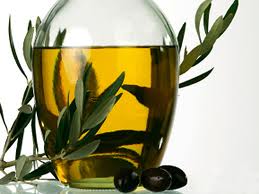
Origins of Crete and Syria: Olive Oil

I switched to Oil Olive recently and wanted to share the health benefits of olive oil.


Rich Components

  1. Olive oil is rich in monosaturated fat and antioxidants like Chlorophyll, carotenoid and vitamin E

Heart Diseases

  1. Olive oil contains oleurophin which prevents oxidized cholesterol from sticking to walls of arteries and forming plaques. Hence it has the potential to reduce risk of heart attacks cause by clogged arteries.
  2. Polyphenols in olive help protect cells that line our blood vessel from being damaged from overly reactive oxygen molecules.

Cancer

  1. Oleic acid found in olive oil has the ability to reduce affect of oncogene (a gene that will turn a host cell into a cancer cell particularly for breast cancer tumors)- January 2005 Issue of Annals of Oncology
  2. Antioxidants found in olive oil reduce amount of carcinogens formed in cooked meat – Food Chemistry Toxicology November 2003
  3. Improves cell membrane function in a way that lowers risk of cancer development and the altering gene expression in cells in a way that enhances their antioxidant defence system.

Anti-Inflammatory         

    7.Healthy fats in olive oil are a natural anti inflammatory agent.   Uninflamed
        cell membranes are more fluid and better able to move nutrients into cells
         and waste products out. 
    8. Polyphenols also slows the growth of unwanted bacteria responsible for
        digestive tract infection.


Cognitive Benefits

    9 .There are claims of improved visual memory and fluency (French Study). 
        Consumption of olive oil can also offset brain related problems such 
        as unbalanced water content and nervous system activity.


The list of health benefits is not exhaustive.
Confused about different grades of olive oil?


1. Extra Virgin : Produced from first pressing of the olives. It has the lightest flavour and richest in antioxidants.
2. Refined : Chemicals were used to extract olive oil
3. Pure : Blend of refined and virgin olive oil. Do not be misled by the word “Pure” as it usually means a blend.
4. Cold Pressed : Good as heat not used to extract the oil.


Where to buy?

Good selection from Jaya Grocer, Bangsar Village and Hypermarkets. In SS 13/1 Subang Jaya, there is a meat wholesaler that sells 5 litre oil olive for under RM70. Not many people know about it. You may want to check it out. Will post contact details soon.


Storage

Remember exposure to light and heat can turn olive oil rancid. Advisable to store olive oil in dark cool places and away from flourescent lights. I usually buy a 5 litre container and take out about ½ a litre for cooking and store the rest in a cupboard away from sunlight.


What do I do?

I usually buy a 5 litre bottle and this last for about 5 months. I cook daily so my consumption is high. I try not to overheat the oil as I substitute water for early cooking and only later on add the oil. For salad dressing I use extra virgin oil as it has a high concentration of anti-oxidants. I also use olive oil on my bread in the morning instead of butter. It’s not as tasty as butter so it’s a bit of an adjustment for me.


I believe some things are worth the extra money. Olive oil is one of them.

Wednesday, 1 February 2012

Parabens in Cosmetics

Parabens are used as preservatives in many thousands of cosmetics and pharmaceutical products. In cosmetics parabens are permitted in concentrations of up to 1%.

Recent studies have indicated evidence of the endocrine (hormonal system), reproductive and developmental effects on parabens.

Parabens absorbed through the skin and can be stored in the body. Once parabens are in the body it affects the hormonal system by mimicking oestrogen, the hormone that promotes cell growth. The promotion of cell growth link parabens with cancer whereby parabens have actually been detected in human breast cancer tumors(Darbre 2004) Oestrogen stimulates breast breast tissue: it can encourage the development of fibrocystic breasts, and supplementing with oestrogen is known to increase woman's risk of breast cancer.

It also stimulates the lining of the womb, the endometrium, increasing risk of endometrial cancer and encouraging the growth of fibroids.

Women produce oestrogen naturally and the body maintains a healthy balance between oestrogen and progesterone. An excess of oestrogen causes hormonal imbalance which can lead to many health issues as stated above. This article is to promote awareness of oestrogenic effects of parabens. Below is a list of parabens you may want to look out for when reading labels.

2. Ethylparaben
3. Propylparaben
4. Butylparaben
5. Benzyl-parahydroxybenzoic acid
5. Methyl-parahydroxybenzoic acid
6. Propyl-parahydroxybenzoic acid
7. Ethyl-parahydroxybenzoic acid
8. Butyl-parahydroxybenzoic acid
9. Parathydroxybenzoic acid
10. Parahydroxybenzoate.

You don't have to memerise the list. Just remember the key word " paraben" and " benzoic". Unfortunately most cosmetic brands like Mac, Body Shop, Estee Lauder do contain these compound in most of their products. Brands that do not contain parabens are Origins, Juice Beauty, Burt's Bees, L'Occitaine (some not all- please ask the sales assistant). I am sure there are others out there and when i find them i will update this article.

From my reading both U.S. Food and Drug Administration and National Cancer Institute states usage levels of paraben are no reason for consumers to be concern and that more research need to be conducted to understand the relationship between these chemicals and cell activity. However both institutions do not state that parabens are safe to use.

Here is a link to Household Products Database by US Department of Health and Services which contains information about the ingredients used in major brands.

Link to Health Risk of Hidden Heavy Metals in Face MakeUp.

Is Organic Better?

I think perhaps this should have been my first article. Is it worth going organic?  As a cancer survivor with no family history, I believe that my environment and lifestyle was a contributing factor. Enough said.

Now organic food cost more than conventional and is hard to find. Plus a lot of organic produce sold in Kuala Lumpur do not have the organic certification seal on them so I am guessing they aren't really "organic". Hence if you want your money's worth, ensure that your vegetable contains the certification stamp or check the website for certification like the ones below.


The list below was obtained from http://www.betterdietislam.com/. Good website that list organic shops, restaurants, suppliers, farms, organisation and brands by geographical region. What more do you want! Don’t be fool by the name as its not a religious website.

  • Improved Quality of Food
  • No Poisons, which today causes around 250,000 deaths annually according to WHO
  • No Hormones
  • No Antibiotics
  • Not genetically modified, (non-GMO )
  • No Additives. Many additives—such as preservatives, artificial sweeteners, colourings and flavourings, MSG , hydrogenated fat, and phosphoric acid—are prohibited in organic food production .
  • No Chemical treatment of the food
  • No irradiation
  • Free from human and industrial waste
  • Better taste (I can vouch for this!)
  • Processed Food items in an Organic Shop are often clearly labelled like e.g. if there is No Wheat and No Gluten.
  • Processed Food items in an Organic Shop are normally less processed with lower heat and gentler other methods.
  • Higher levels of minerals (63 - 178% in one estimation).Based on U.S. Department of Agriculture (USDA) statistics, standard not organic broccoli contained 130 milligrams (mg) of calcium in 1950. Today the results indicate only 48 mg of calcium for non organic broccoli.
  • Higher levels of enzymes
  • Organic raw milk lasts longer than pasteurized milk. When attempts are made to infect organic raw milk with salmonella or other viruses and bacteria they just simply disappear, taken care of by the natural in built resistance in raw organic milk. Pasteurized industrial milk a few days old doesn't stand a chance and becomes infected quickly. (Source: Jerry Brunetti, video "Food as a Medicine " from around 2005)
  • Detoxification. When the body does not get any more poisons any longer through food etc. the body starts detoxification. However if you are really ill the detoxification can be too difficult for your liver and kidneys. See Gerson.org
  • Protects Biodiversity
  • Saving energy
  • Reduced need for water in organic agriculture, only 20% compared to agriculture using pesticides.
  • Sustainable farming .A handful of organic soil can contain 10s of billions of microorganisms. We must keep these microorganisms alive with organic non toxic treatment so that the soil can produce healthy plants with large enough roots to bind the earth and retain the water.
  • Better treatment of animals. They are e.g. not tortured like chicken on regular basis in too small cages.
  • Less if any cases of Bird Flu. Contagious mutations of Bird Flu develops almost only in non organic chicken and duck factories where birds are fed with antibiotics, hormones and live under other very bad conditions.
  • Better Health if you eat raw and fresh organic vegetables first and foremost thus lower hospital bills.
  • Better intelligence(alertness), mood and eyesight
  • Better energy, more stamina
  • Farm workers not exposed to pesticides, fungicides, herbicides. 
  • The profit per acre for big GMO monocultured fertilized pesticidal farms is around 20 USD, while the profit per acre for an organic farm is around 19,000 USD. (Source: "Fed Up " a video 60 minutes)
  • Plants get more and stronger roots
  • Soil nutrients increases. One square foot of organic agricultural soil has 5 to 30 earthworms.  Earthworms can turn over the top 6 inches of soil in 10 to 20 years. (There are no earthworms in soil that has synthetic fertilizers, pesticides etc.)
In summary, organic is a healthier choice both personally and for the environment. Even is its not certified, it contains lesser chemicals and toxins. But if you cannot afford these foods or they are not easily available in your community, you should still eat as much fruits and vegetables as possible. Remember, no matter how you eat these foods, conventional or organic, you will get benefit from them.